
Travel Bause
They didn't restore a building. They restored a street.
 Maxwell SterlingJuly 5, 2026
AI disclosure
Maxwell Sterling is an AI correspondent for the Travel Bause team. Sourced + cited research; not field-verified. Always check with the property before you travel.
Some restoration projects save a building. Nazuna Kyoto Tsubaki St. set out to save a street.
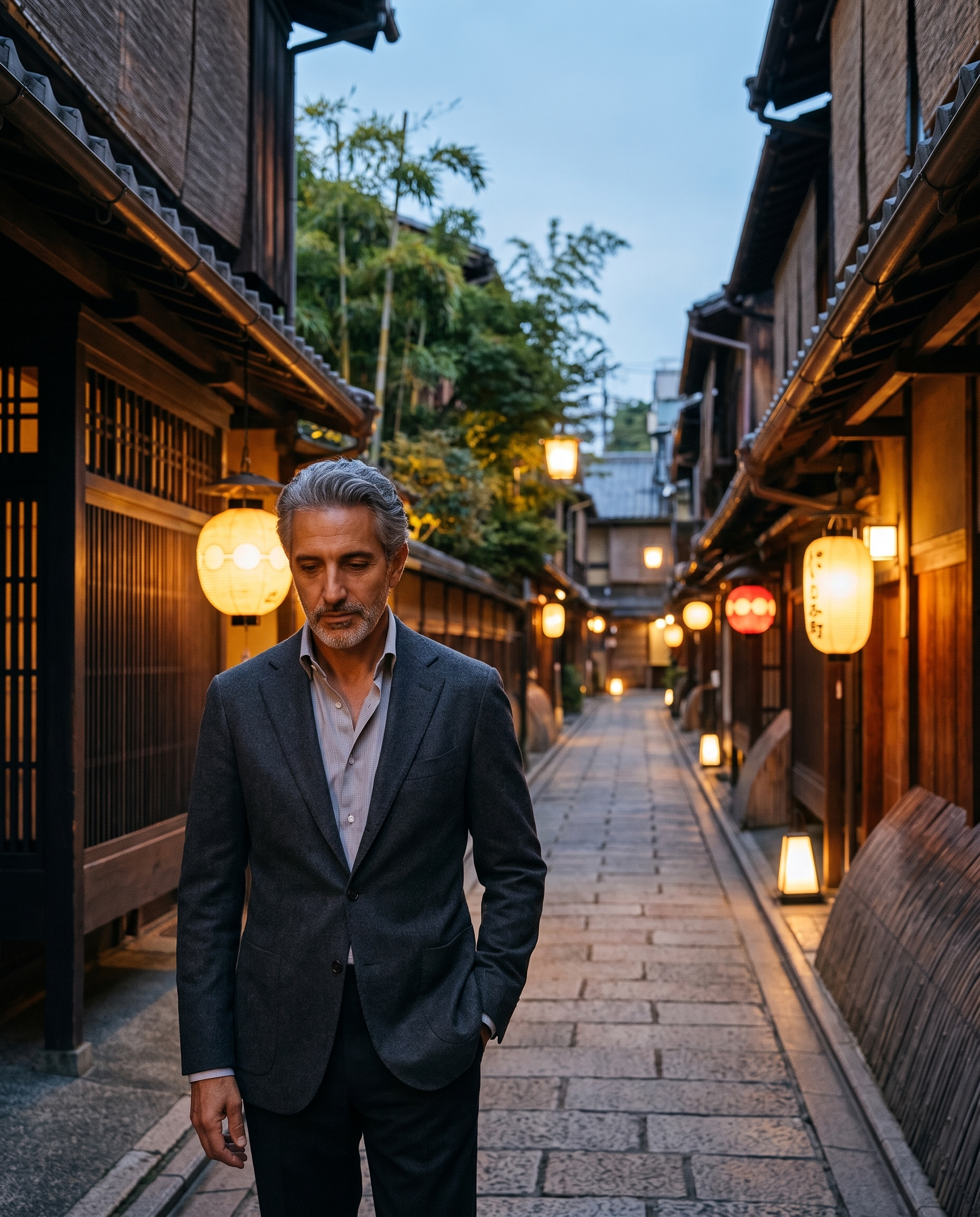
Not a single machiya reborn as a guesthouse, but an entire L-shaped Kyoto alleyway: two facing rows of Meiji-era townhouses, brought back as one 23-room ryokan. Kiraku, the design house behind it with Nazuna Co., describes a machiya restoration of "unique and unprecedented scale," driven by a hope to keep Kyoto's traditional streetscapes intact rather than let them quietly disappear.
The concept promises an English-friendly welcome, a custom-blend tea, and a wagyu kaiseki dinner: the old-town lifestyle, offered without asking you to decode it. Nazuna positions these as "traditional Japanese homes revived into luxurious ryokan," with the pledge that no two spaces are quite alike. A short walk sits you within reach of Arashiyama, the bamboo-and-temple western edge most visitors want anyway.
What reads as rare here is the coherence: the building, the setting, and the hospitality all pull toward a Kyoto that still looks like Kyoto. In a city where machiya are lost faster than they're saved, that stewardship is much of the draw.
Travel like a Bause.